Workers’ Compensation Insurance for Pennsylvania Employers
Workers’ Compensation Insurance
Coverage for work-related injuries and illnesses—built for Main Street businesses, contractors, nonprofits, and farms across Lancaster, New Holland, York, Harrisburg, and beyond.
Workers’ compensation insurance helps protect both your employees and your business when work-related injuries or illnesses happen. From slips and falls to repetitive motion injuries, even a single claim can impact your team and your bottom line. In Pennsylvania, most employers are required to carry workers’ comp, and having the right policy in place can make a difficult situation easier to navigate. Community Insurance works with small and mid-sized employers throughout Lancaster County and across the state to structure workers’ compensation coverage that fits how you actually operate. We’ll help you understand your options, review classifications, and coordinate workers’ comp with the rest of your business insurance program.


Medical Care for Work-Related Injuries and Illnesses
Workers’ compensation insurance helps pay for necessary medical treatment when an employee is injured or becomes ill because of their job. That can include doctor visits, hospital care, surgery, rehabilitation, and certain ongoing treatments related to the covered injury or illness.
Lost Wages and Disability Benefits
When an injured employee can’t work while they recover, workers’ comp can provide a portion of their lost wages. Depending on the nature and severity of the injury, benefits may apply for temporary or longer-term disability, helping employees and their families stay afloat while they heal.
Employer Liability Protection
Workers’ compensation coverage can also help protect your business if you’re sued over a workplace injury or illness that would normally be handled through the workers’ comp system. While these situations can be complex, having a properly structured policy is a key part of managing that risk.
Rehabilitation and Return-to-Work Support
Many workers’ comp programs include rehabilitation services and return-to-work resources that help injured employees safely get back on the job. This may include physical therapy, vocational training, or transitional duties that bridge the gap between recovery and full-time work.
Coverage for Work-Related Illnesses and Repetitive Injuries
Not all claims involve a single accident. Workers’ compensation can also respond to certain occupational illnesses or injuries that develop over time, such as repetitive motion injuries or exposure-related conditions, when they’re caused by the job.
Benefits for Fatal Injuries
In tragic cases where a work-related injury or illness results in an employee’s death, workers’ compensation may provide benefits to eligible dependents. While no amount of money can replace a person, these benefits can help support families in an extremely difficult season.
Who Typically Needs Workers’ Compensation Coverage
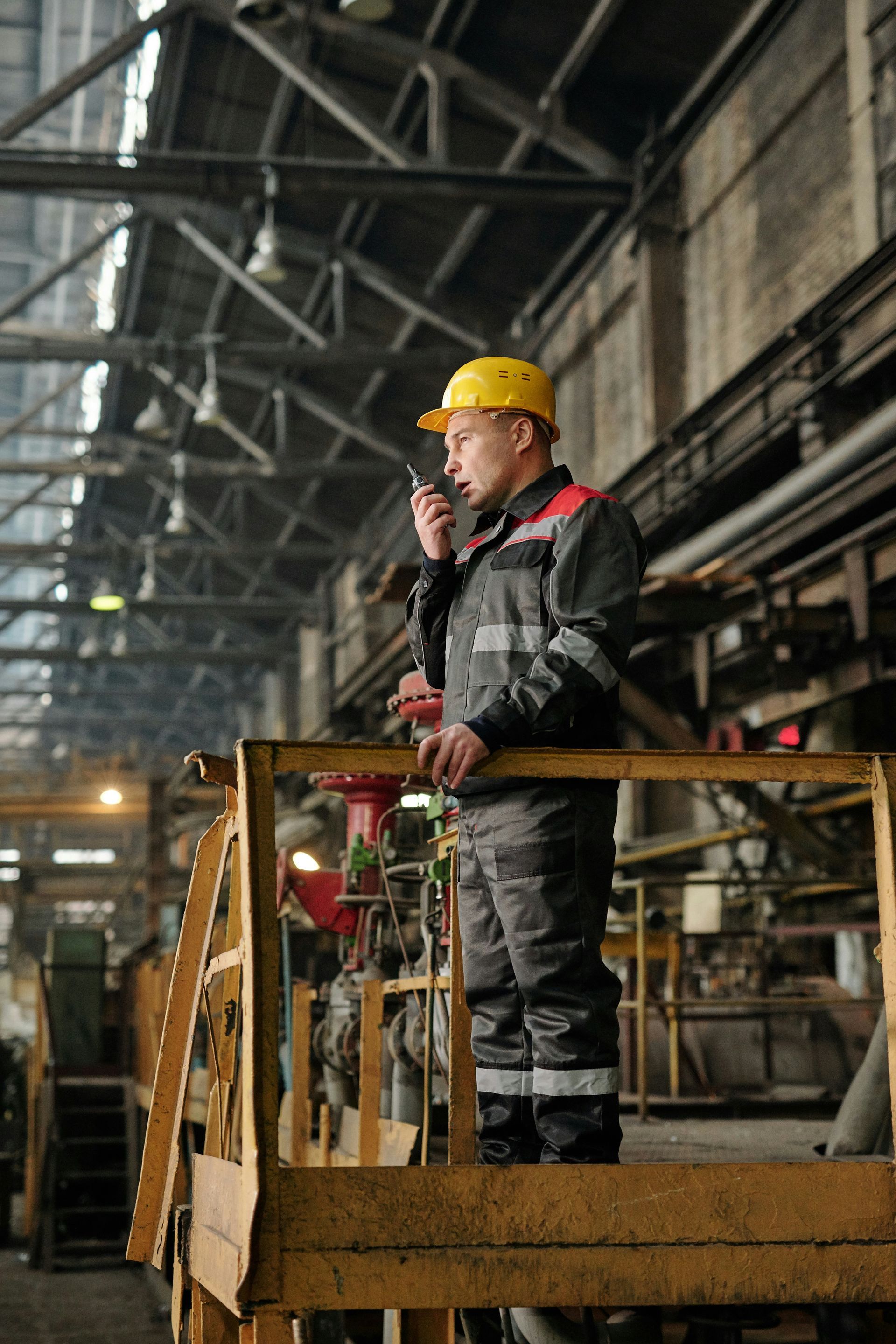
Most Pennsylvania employers with employees are required to carry workers’ compensation insurance, with only limited exceptions. Even when not strictly mandated, having workers’ comp in place can be a practical way to protect your team and your business from the financial impact of work-related injuries. If people work for you—on-site, in the field, or on the road—this coverage should be a core part of your protection plan.
Common Employers That Rely on Workers’ Compensation:
- Retail shops and boutiques
- Restaurants, cafés, and food service businesses
- Professional offices and service firms with staff
- Salons, barbershops, and personal services
- Contractors, trades, and construction-related businesses
- Manufacturers, warehouses, and light industrial operations
- Nonprofits and community organizations with employees or staff
- Farms and agribusinesses with hired labor or crews
Because requirements and risks can vary by industry, size, and structure, it’s important to review your specific situation rather than assume you’re covered. We’ll help you understand what’s required and what’s wise so you’re not left guessing.
Our Process for Designing Workers’ Compensation Coverage
Instead of treating workers’ comp as a checkbox, we treat it as a key piece of your overall risk management plan. We look at how your employees work, where they work, and how your payroll is structured so classifications and limits make sense. Then we match you with carriers that understand your industry and offer tools that support safety and claims management.
Our Simple Workers’ Comp Process
Learn Your Workforce: We start with a conversation about how many employees you have, what they do, where they work, and whether you use part-time, seasonal, or subcontracted labor.
Review Classifications & Payroll
We examine your current workers’ comp policy (if you have one), review employee classifications, and look at payroll estimates to help reduce surprises at audit time.
Quote Multiple Workers’ Comp Carriers
As an independent agency, we compare options from several workers’ compensation carriers that are competitive for your industry and size.
Review & Adjust
We walk through each quote in plain language, discuss how claims are handled, and talk about risk management resources that may be available to you.
Implement & Support
Once coverage is in place, we’re here for certificates, compliance questions, claims support, and annual reviews as your business grows or your workforce changes.

How Workers’ Comp Fits with Liability, Auto, and More
Workers’ compensation is one part of a broader protection plan for your business. While workers’ comp is focused on employee injuries and work-related illnesses, general liability coverage responds to third-party injury and property damage claims, and commercial auto handles vehicle-related accidents. You may also carry employment practices liability insurance (EPLI) for claims like wrongful termination or discrimination, which are separate from workers’ comp. We’ll help you see how each policy plays a different role, where there may be gaps or overlaps, and how to coordinate coverage so your business and your employees are better protected.
Workers’ Compensation Insurance - Commonly Asked Questions
Frequently Asked Questions
Is workers’ compensation insurance required for my business in Pennsylvania?
In Pennsylvania, most employers with employees are required to carry workers’ compensation insurance, with a few limited exceptions based on factors like business type and type of work performed. Even when coverage may not be strictly mandated, it’s often a practical way to manage the financial risk of workplace injuries. We’ll review your specific situation and help you understand what’s required and what’s recommended.
Who counts as an “employee” for workers’ comp purposes?
Employee definitions can be broader than many owners expect and may include full-time, part-time, seasonal, and even certain types of temporary workers. In some situations, individuals treated as independent contractors may be considered employees for workers’ comp purposes. Because this can get complicated, we’ll talk through how your workforce is structured so your coverage and reporting are accurate.
How can I help control my workers’ compensation costs?
Workers’ comp premiums are influenced by your industry, payroll, claims history, and safety record. We’ll look at ways to encourage safer work practices, review classifications, and help you understand how claims affect your experience rating. Choosing appropriate return-to-work strategies and working with carriers that offer risk management resources can also make a difference over time.
What happens if an employee is injured on the job?
When a work-related injury occurs, prompt reporting is important. We’ll guide you through the process of notifying the carrier, documenting the incident, and making sure your employee knows what to expect. Workers’ comp is designed to provide medical care and wage replacement benefits while helping your employee return to work as safely and quickly as possible. Our team is available to answer questions and help coordinate communication between you, the injured worker, and the carrier.
How does workers’ comp interact with my general liability policy?
Workers’ compensation generally handles injuries to your employees, while general liability is designed to handle bodily injury or property damage claims brought by customers, vendors, or other third parties. In most cases, employee injury claims are excluded under general liability and are meant to be handled through workers’ comp instead. Having both coverages in place helps ensure that injuries are routed to the right policy.
Ready to Protect Your Employees and Your Business?
If people are working for you, workers’ compensation insurance shouldn’t be an afterthought. Community Insurance is here to help employers in Lancaster, New Holland, York, Harrisburg, and across Pennsylvania understand their responsibilities, structure coverage correctly, and support their teams when injuries happen.